Space.com has posed a short video about the measurements of matter distribution in the universe from the WiggleZ survey in Australia. Astronomers found that galaxies cluster when looking at them at the small scale with radii of less than 300 million light years, but when galaxies are studied on scales greater than this no clustering is observed. This means that matter is randomly distributed throughout the universe and our present theories about it are still correct.
Interest of the day
A blog about miscellaneous topics.
The Stanford Encyclopedia of Philosophy is an online encyclopedia written by experts and refereed by an editorial board. This is very different method than the method used for Wikipedia, but should be a valuable and complimentary reference tool.
E4C has posted instruction on How to make a tool set from very basic materials. Pipes are used to bend rebar into shape to make a hacksaw and hand drill for example.

Emily Lakdawalla from the Planetary Society provides some insight into Curiosity's scinetific instruments in these two short videos.

JPL has posted an number of interesting infographics about space science, planetary missions, and spacecraft.

Pediatric engineers used a 3D printer to make an exoskeleton for a little girl, Emma, with underdeveloped joints and muscles. The little girl can play, eat, and hug her mom now. It a wonderful story and a cool use for 3D printers.

Felix Woitzel posted this cool fluid simulator. Drag your mouse around and watch the fluid swirl.
Science, technology, and innovation has been the source of our prosperity, health, and safety. It has raised millions or perhaps billions world wide out of poverty so it is important for our future growth that our elected leaders understand science. US science and engineering organizations have developed a list of 14 science questions on the most challenging problems facing America today. The questions should help concerned citizens understand the policy direction of the candidates.
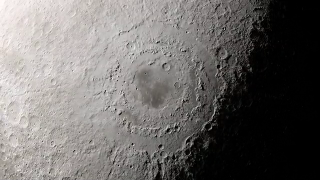
The LRO has posted this short video tour of the moon. The video shows the so called dark side of the moon. the photo below is of the Orientale Basin.
Giovanni Organtini has posted the paper Unveiling the Higgs mechanism to students which is an undergraduate introduction to the subject. It's on the top of my reading list and I hope to get to it soon.